

7 dimensions of BIM, the methodology that will change construction in Latin America

- 29/05/2019
- News
The BIM methodology has important advantages over the traditional CAD methodology, especially in large-scale works, to the point that the execution of many of the large projects carried out in recent years, such as the Panama Canal or the Crossrail in London would not have been possible without BIM. The BIM (Building Information Modeling) methodology is a collaborative work tool based on the use of a dynamic data management software for a civil infrastructure throughout its entire life cycle, covering the three most important general phases of a project: design, construction and maintenance.
The BIM (Building Information Modeling) methodology is a collaborative work tool based on the use of a dynamic data management software for a civil infrastructure throughout its entire life cycle, covering the three most important general phases of a project: design, construction and maintenance.
With this, the work process using BIM is based on the creation of the so-called 'Modelo de Información del Proyecto', which includes the geometric characteristics and spatial design of it, its spatial interrelations with other elements, the planning of its different parts in time, its geographical information, as well as the volumes and properties of its components.
In this method, you will reach a global market of 18.8 trillion dollars by 2024, toman parte todos los diferentes tipos de profesionales organizadores del proyecto, tales como diseñadores, ingenieros, arquitectos, contratistas, constructores o proveedores.
The different stages of design and management of an infrastructure, together with the phases of maintenance and dismantling of it, take place immersed in a work dynamic in which 7 different dimensions can be highlighted:
- 1ST DIMENSION: THE IDEA. Every project implemented according to the BIM methodology starts from an initial idea. This first dimension would include actions such as Determination of location and initial conditions de la estructura.
- 2ND DIMENSION: THE SKETCH. After the initial phase, we proceed to the preparation of the sketch phase, in which the Generic characteristics of the project. Part of this phase are the preparation of the modelling using the BIM software, the approach of the materials, the definition of the structural loads, the determination of the energy dimension of the project and the establishment of the bases for the overall sustainability of the project.
- 3RD DIMENSION: THE THREE-DIMENSIONAL GRAPHIC MODEL. Once all the information regarding the first two dimensions has been collected, it is time to proceed to the Geometric modeling of the infrastructure in 3D format.
- 4TH DIMENSION: TIME. Here is the main hallmark that characterizes and differentiates BIM from other traditional methodologies and/or work software: el dinamismo. Compared to purely static project models in reality, the BIM methodology It brings a new temporal dimension.
- 5TH DIMENSION: THE COST. Education Area – Universities, Colleges, Schools and KindergartensThis phase includes the analysis and estimation of the costs of the project, in addition to its control as it advances or is modified. By integrating BIM detailed information of each of the component elements, it is relatively simple Generate budget reports at any point in the life of the infrastructure.
- 6TH DIMENSION: THE ANALYSIS OF SUSTAINABILITY. It is about the approach and Simulation of alternatives quotas and analyse them, in order to determine which of them is most suitable to be carried out.
- 7th DIMENSION. LIFECYCLE MANAGEMENT. BIM represents a management environment in which information regarding an infrastructure is located and organized. throughout its useful life.

In this way, there is a process of modification and continuous feedback that records all the variations between the initial project and reality, in such a way that there is a total correspondence between the BIM model and the actual result.
The BIM methodology has important advantages over the traditional CAD methodology, especially in large-scale works, to the point that the execution of many of the large projects carried out in recent years, such as the Panama Canal or the London Crossrail, would not have been possible without BIM.
Among all its advantages, those derived from the incorporation of the temporal dimension to the design process stand out, as well as the integration of management and maintenance during the periods of life cycle and dismantling of the infrastructure. These additions allow the Optimization of design, construction and maintenance phases in all its aspects, as well as facilitating the Generation of synergies between the different stages of the project. It also enables a Optimal choice between the different alternatives de proyecto más adecuada.
Given these advantages, it is not surprising that the use of BIM has been applied with resounding success in large-scale projects. Among them, the example of the London Crossrail It is an illustration of the importance that the methodology acquires on these dimensions. Thanks to its implementation, it was possible to Management of more than 5 million documents relating to the construction process, as well as a total of 300,000 CAD model files. Even Malcolm Taylor, Head of Technical Information of that project, stressed that the management of such a large amount of information would not have been possible without BIM.
The New International Airport of Mexico City is another of the great infrastructures that are added to the management through BIM, having received the award AEC Excellence Awards, delivered by Autodesk, as well as the Panama Canal, which received the award Autodesk BIM Experience for the design of its third lock complex.
With such data, it is not surprising that the use of BIM is widespread in the construction sector in Europe in recent years. In fact, Directive 2014/24/EU introduces its use in all public tenders from September 2018 for member countries.
In this sense, it is striking how in Spain 85% of companies in the sector have not yet implemented in a general way in their projects This work methodology.
However, Spanish legislation establishes its Mandatory use as of June 26, 2019, with which in the coming times will be provided Great career opportunities in this area. Other European countries that already present their projects through the use of BIM are the United Kingdom, France or Germany, who represent the European technological vanguard.
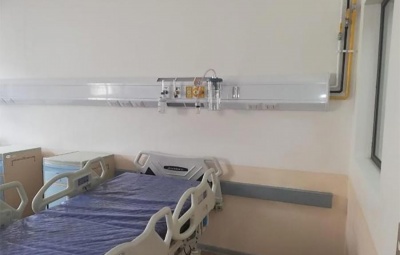
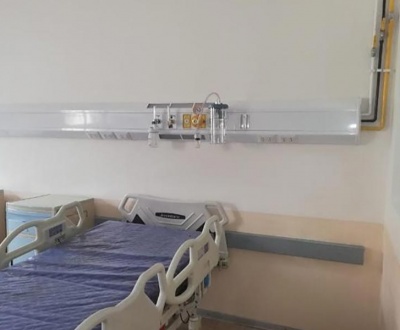
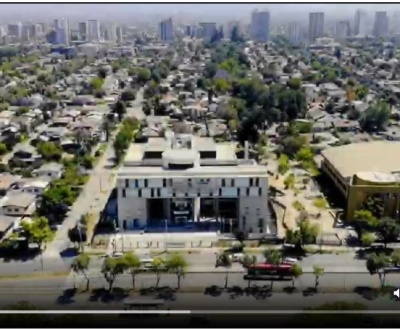
Equally noteworthy is the role of Latinoamérica In this field, where some studies support that the hiring of BIM Manager profiles in 2020 will increase by 11%. Countries such as Chile or Argentina are already investing heavily in this type of technology, in which they stand out with works such as the provincial hospital of Curicó.
The BIM methodology is here to stay, the future of the civil engineering sector goes through its domain. Specialized profiles are increasingly demanded by the industry and the skill with their software seems essential for professional success.
Fountain:



More Articles
View All




 EN
EN  ES
ES